On my way from Japan to New Zealand I already had a stop over at Nadi airport. It was end of November, hot, humid and for six hours I had to listen to Christmas songs, that predominantly dealt with winter and snow…. but even during that short amount of time I internalized two words: Bula (hello) and vinaka (Thank you).
Fast Forward: January, I am back to the islands with a very light backpack (all my heavy gear stayed in the self storage facility in Auckland), a brand new swimming suit and no idea what to expect. The first thing I learnt during my ride to the hotel surprised me and made me curious: on Fiji every student learns three languages from class 1 all the way through to class 8.
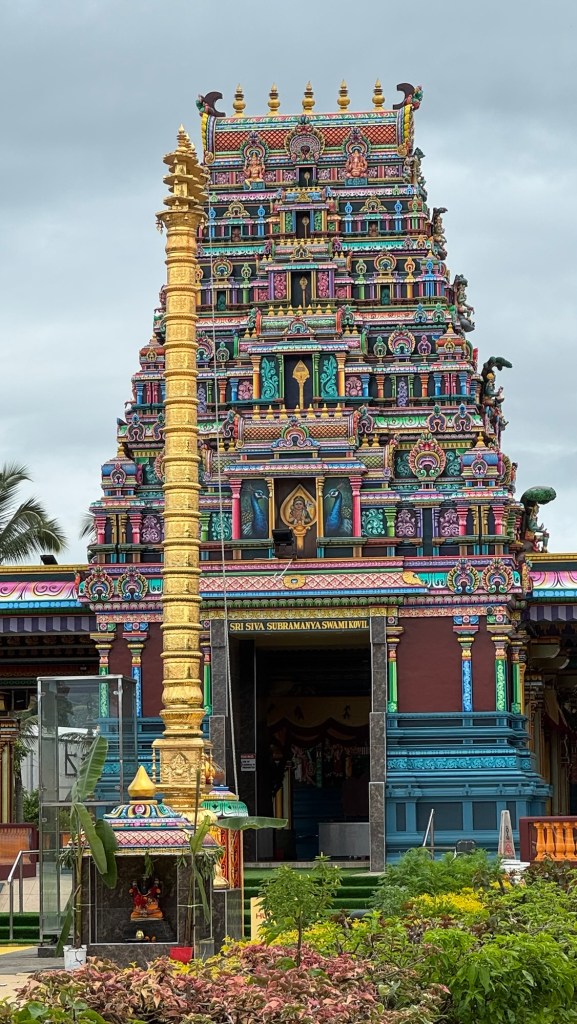
Obviously that would be Fidjin and English, but can you guess what the third language is? Spoiler, it is not German. Keep reading and you will find out and might be surprised. One hint, it has to do with their colonial past.
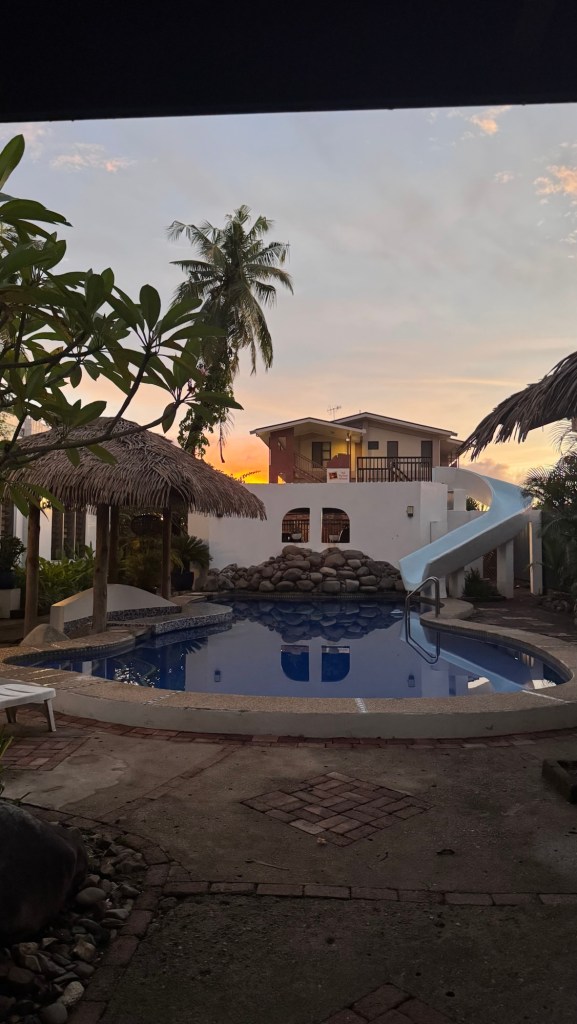
Because everyone speaks English, communication is easy enough. I had booked a very cheap hostel which was okayish in general but there was an ongoing noise on that floor, that drove me nuts so I upgraded to a proper room. but only for a few nights because my actual stay was on one of the Yasawa islands: Nacula pronunciation is more like Nathgula.
It takes about 4 hours to get there by boat, due to the many stops at expensive looking resorts. Though the boat never actually stops there directly. It anchors off shore and you then transfer to a small boat that brings you to your hotel. More often than not you will need to jump into the water and walk ashore, especially during low tide, which makes it even more fun.
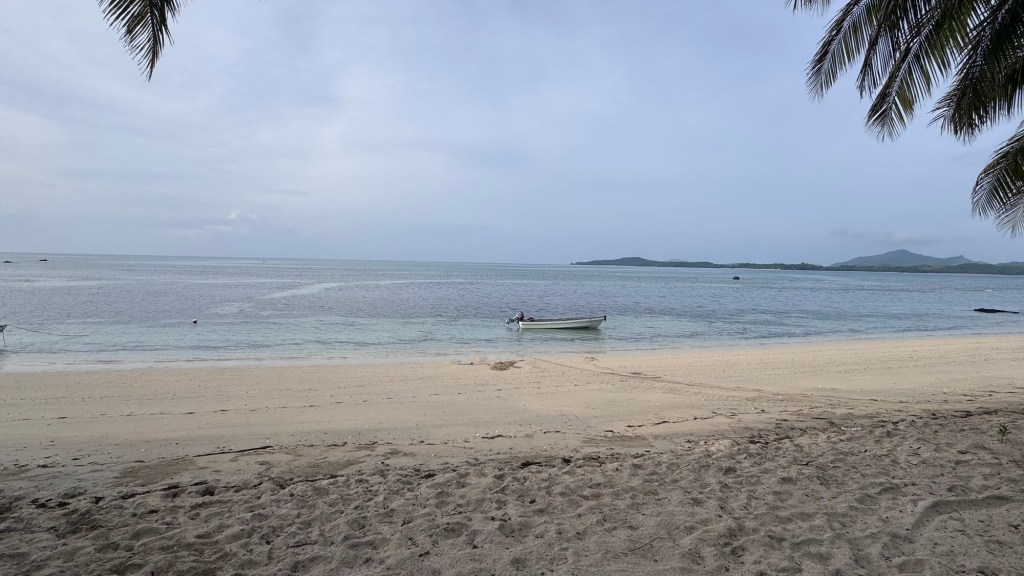
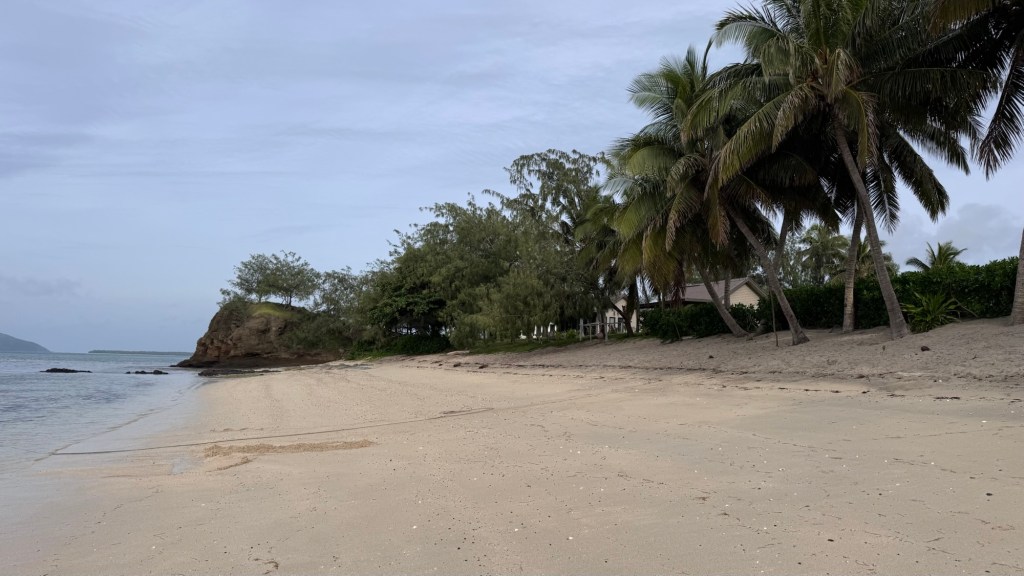
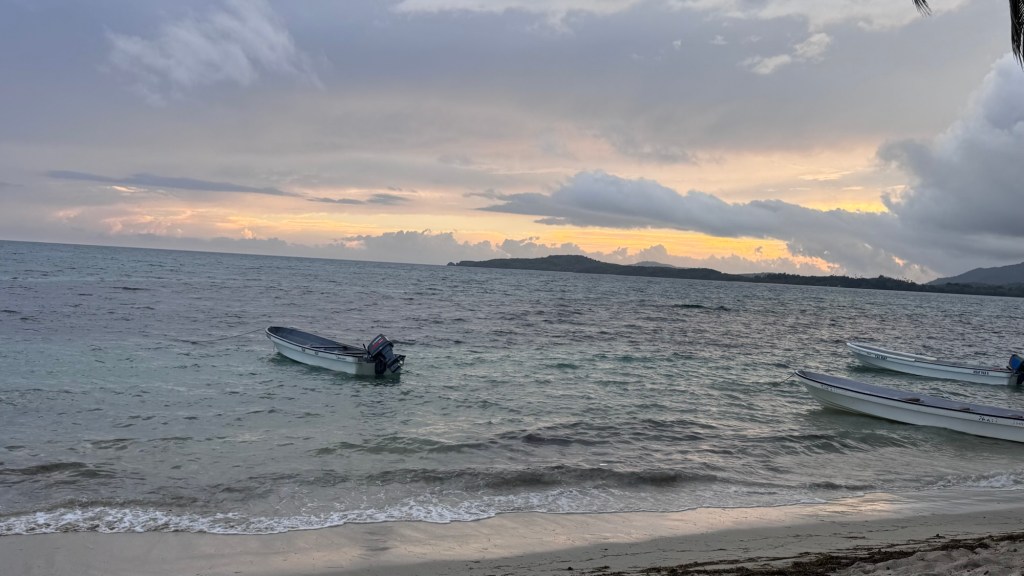
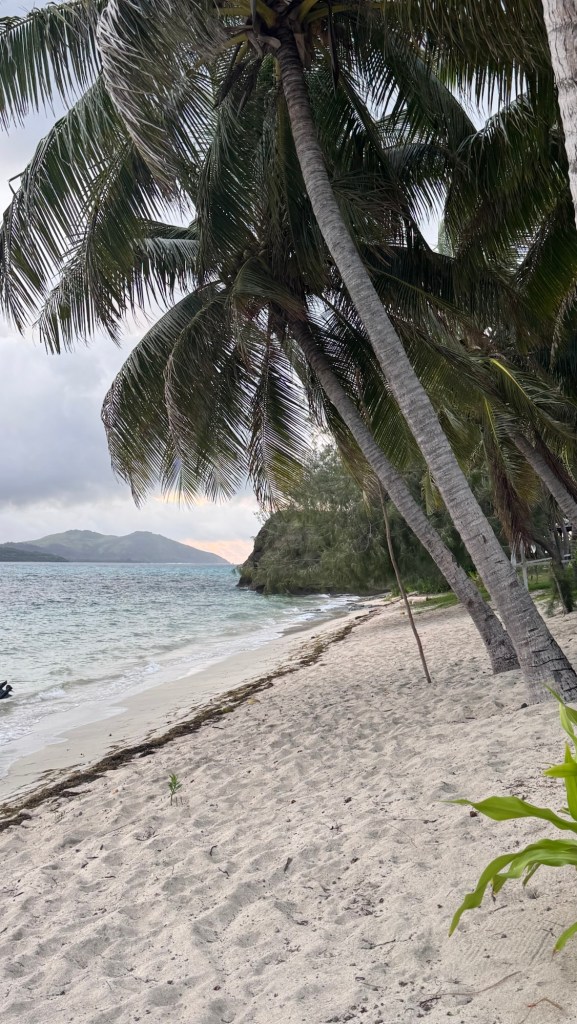
The place where I rented a little hut is called Safe Landing Eco-Lodge and run by a family that comes from the village just a few minutes walk away. On Nacula you do not only find 11 resorts/hotels/homesteads in various price categories but also a school and another village at the opposite end of the island.
But, you cannot walk there. Though there is a nice hike you can enjoy, it does not bring you there. There are no roads and no cars. The children from the resort are being brought and picked up by boat every morning and afternoon. Children from other islands stay during the week and go home for the weekend.
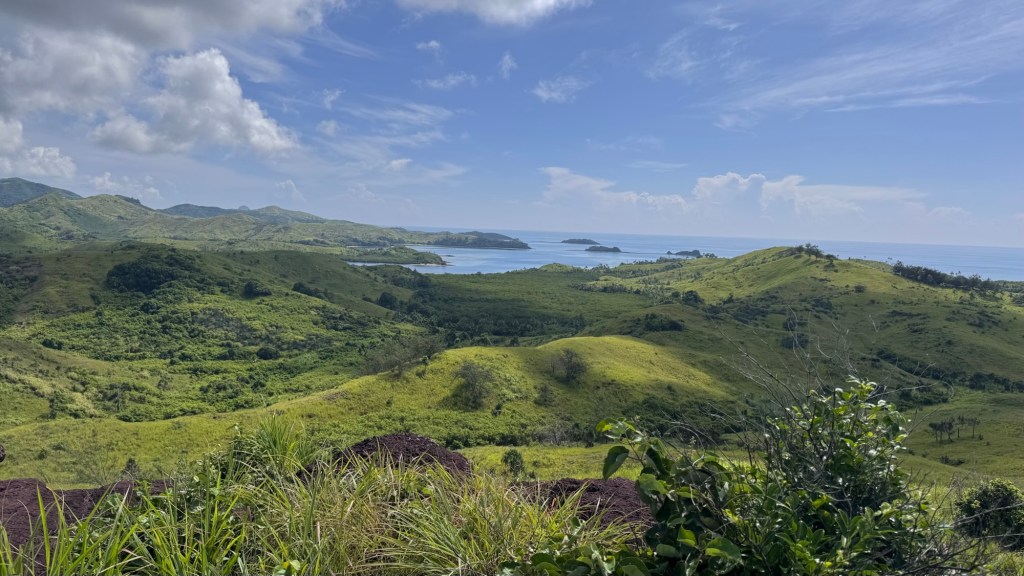
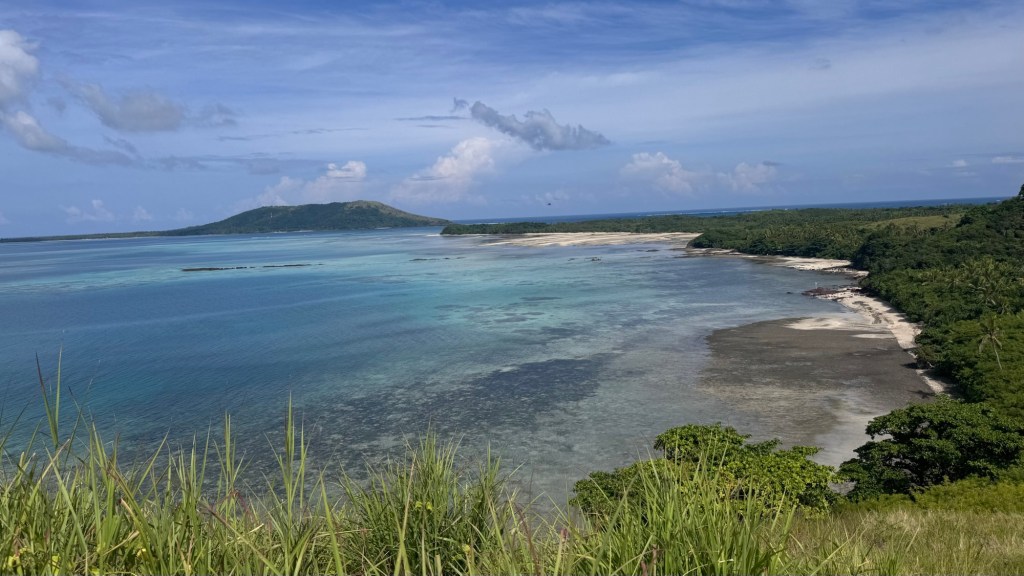
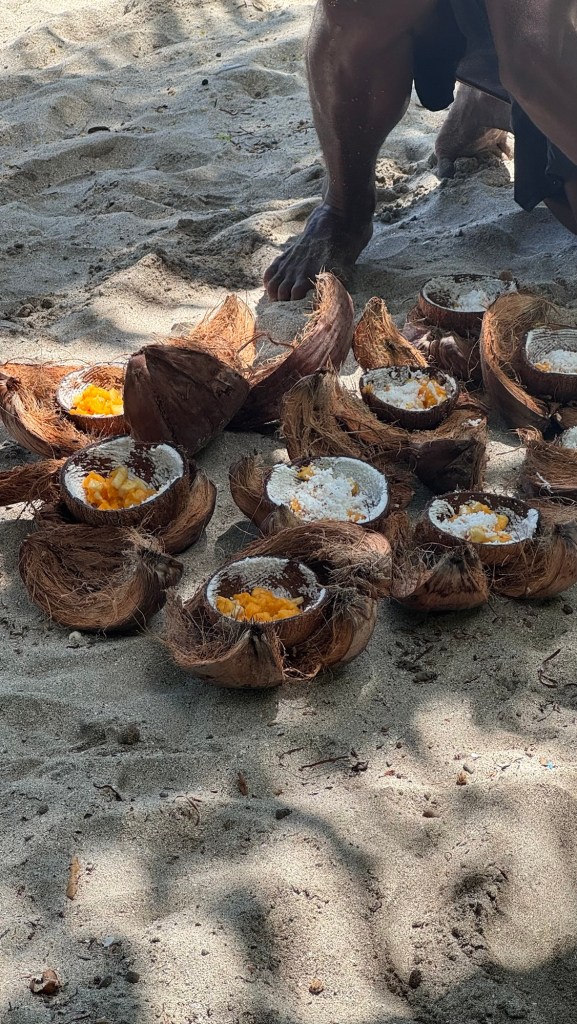
Staying there was total bliss. The internet did not really work (do you remember 3G?🤣) the temperature was more or less constant, food was many what they grow on the island and nothing is better than a delicious coconut-mango-banana desert presented in a coconut shell.
But probably the best bit was how these five days changed my understanding of luxury.
Luxury is not that you stay at a hotel that has the perfect room, a pool and an excellent chef who prepares food in an extra fancy way.
Luxury is: having electricity for 12h, running water -from time to time- a direct view of the beach from the porch, watching the tide come and go, understanding, that everything, that has not been grown on the island, has been transported to the island the same way you have… by boat for four hours, carried ashore by someone through the waves. If something breaks, you do not just go and buy something new, you make do with what you have.
Don’t get me wrong, I am not saying this is my life but it changed my view and I am definitely more grateful for the things I have in my ordinary life.
The family that runs the lodge is very educated and has a vision. Mainly using solar power is part of it. Some of the people working there were very interested in how we live and we had interesting conversations about all kinds things.
Saying good bye wasn’t easy, and though I had another two days in a “normal” hotel in Nadi before I flew back to New Zealand, for me Fiji will always be connected with Nacula Island, a paradise in the middle of the South Pacific, where everyone learns how to speak, read and write Hindi.
 One Year - Five Continents