I have been travelling as long as I can think and even before. The first time I was one a plane -alone- was when I was not even two years old. A flight from Berlin-Tempelhof to Hamburg.
I love travelling and always wanted to be a flight attendant but the moment I stopped growing, I had to give up on that dream.
One thing I always tried when travelling was to blend in as good as possible, because I am a guest, everywhere and one thing I learnt as a child was to behave myself and fit in with the customs of the place where I was. Even if it was just a night away at a friend’s place.
When I first came to Japan, I was so unique, that people recognised me in a city as big as Kyoto. The gaijin with the red backpack… Nearly ten years later the people at my old sento (public bath) still remembered me, when I visited.
At times that kind of attention really got on my nerves but in the end it taught me the manners necessary not to stick out even more.
Being a foreigner in Japan is no longer special and to some extent that is great, if there wouldn’t be the great IF…
Let us talk about cultural differences and adapting. Actually, there is not much to say, except if you are not at home, you do not behave as if you are at home and the place you are visiting belongs to you. FULL STOP.
As an introvert I always loved the way Japanese people carry themselves (mostly) in public. No matter how big the crowd at the train station, there is no cussing, no jumping the line, no loud talking over each other. civilised and structured are the words that come to mind. For someone who spends a lot of time on the U8 in Berlin that is just a holiday in itself.
But throw in some Americans, a few Chinese and for good measure Italians and this social eco-system is in danger. It is a bit like bringing an invasive species into your country.
I do apologize for the stereotypes, though.
Japan faces what two of my students called over-tourism in their oral exam for their MSA (GCSE for my British readers) in April.
At the time I had already heard left and right, that people are going to Japan, though in my eyes, for no obvious reason. Yes, I have an opinion, sorry but when I was a student working my ass off to learn those freaking Kanjis and honorific ways of talking about another persons family, going to Japan was special. These days travelling to Japan is cheap, something I have been saying for ages to friends but now I regret making this point.
End of rant, for the time being…
After five weeks in the middle of nowhere I had the first glimpse of the concept of over-tourism and what to expect in Kyoto, and I am not too happy about it. Let me explain why.
Besides all the bling, bling and very fast life in Tokyo and other big cities, Japan has a very soft, artistic and vulnerable side. I actually would call it its biggest strength, because it keeps Japan grounded in its culture and values. Though, it starts to fade away, as with any modern industrial country. Partly because modern technology takes over and hardly leaves any space for things to be handcrafted. It is the old contradiction: on one side Japan pushes caregiver androids, on the other side there are people who create wonderful indigo dyed fabrics (o shibori) that are just taking a freaking long time to make.
Japan faces a problem. They want people to come and bring money into the country. At the same time it is a very fine line between offering trash experiences made for the masses and sincere connect with the people who show an interest in their country and culture.
And the same applies to tourists in a way. The main question is, why are you coming? To cross it off your bucket list and because it is quite cheap at the moment, or do you actually want to understand what the cultural background behind your favourite anime character is?
When people ask me where I am from, I answer truthfully that I was born in Berlin which, by the way, also suffers from over-tourism . But depending on the person I talk to I will add that the home of my heart is Kyoto.
When I lived in Kyoto, which is famous for its many temples and shrines, spending time in one was always healing. Of course famous places like the Golden Temple have been overcrowded even 30 years ago, but many other places still had that very special quality. With a mixture of anticipation and horror I am looking forward to my stay in Kyoto in November.
For me visiting a temple or shrine also has to do with respect for the people who have built it and the reason why. Very often there is a beautiful idea behind a garden or just the way power is shown. But, as many things in Japan it is very subtle. It isn’t bling bling or big or into your face. It has a quiet beauty and visiting a shrine or temple follows a set ritual, and at best or at least an understanding that it is a place of worship.
Fortunately, I have been living there long enough to know my way around, and some of my favourite places are not showing up in any travel guide, which makes me happy.
So what did over-tourism look like for me?
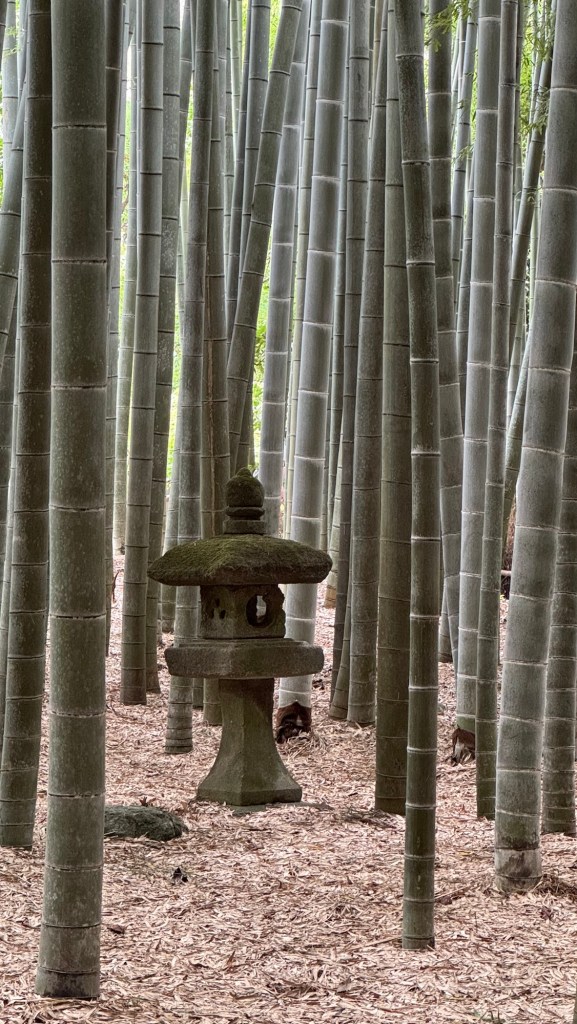
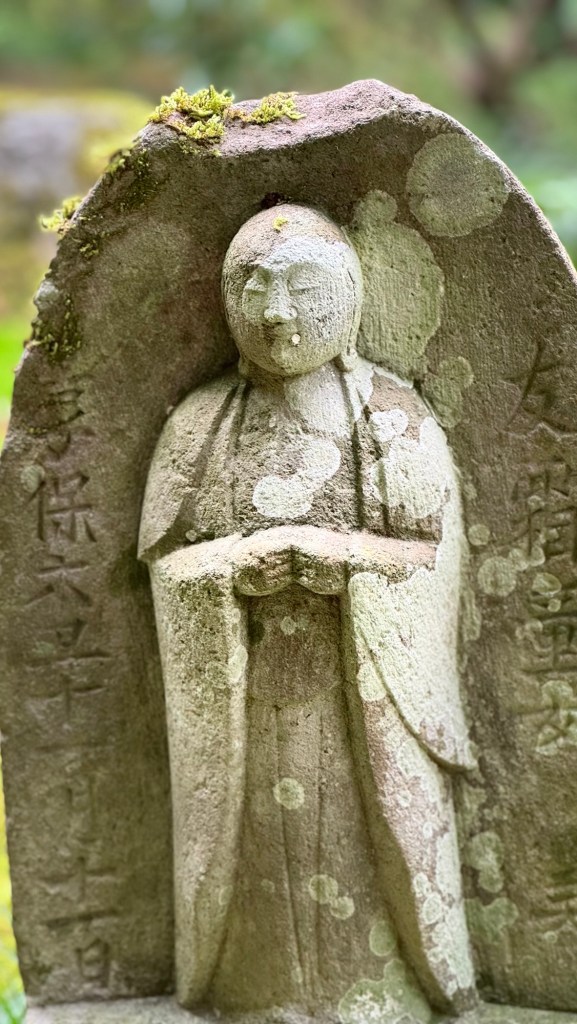
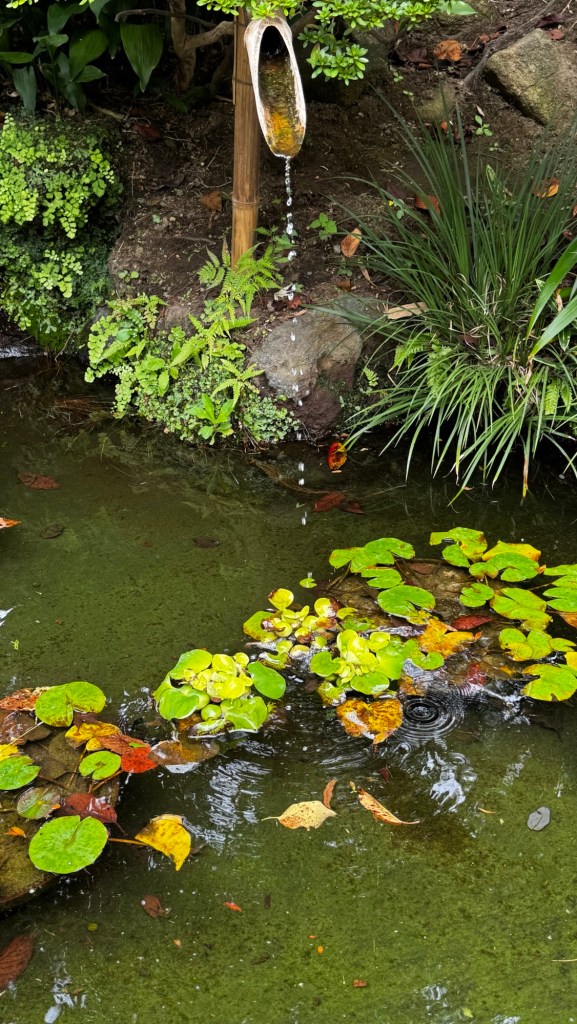
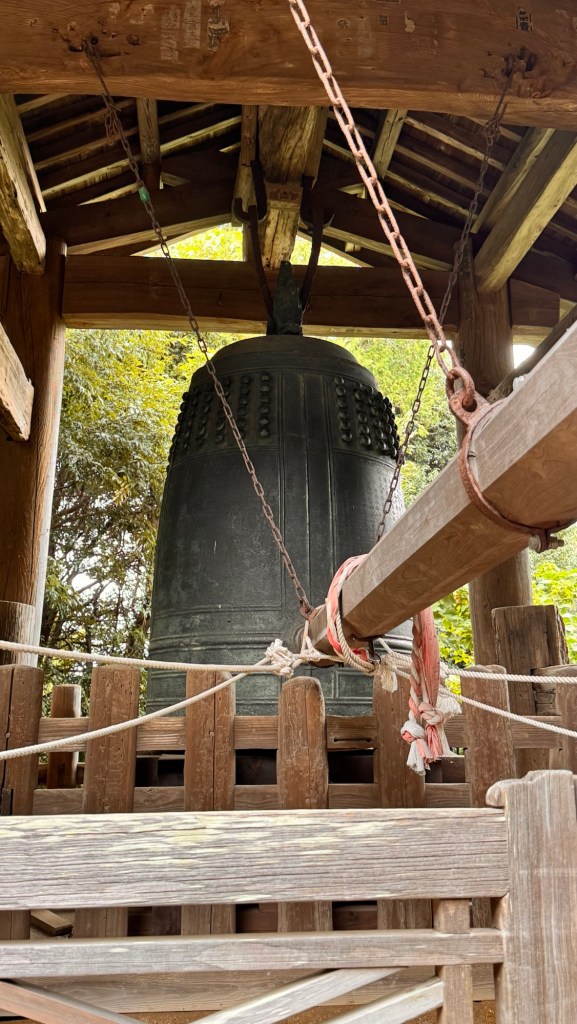
The other morning I took the train to Kamakura, one of the old capitals of Japan and started my tour quite early. I had four temples on my list that I wanted to visit. In the end I only did two and a shrine by coincidence.
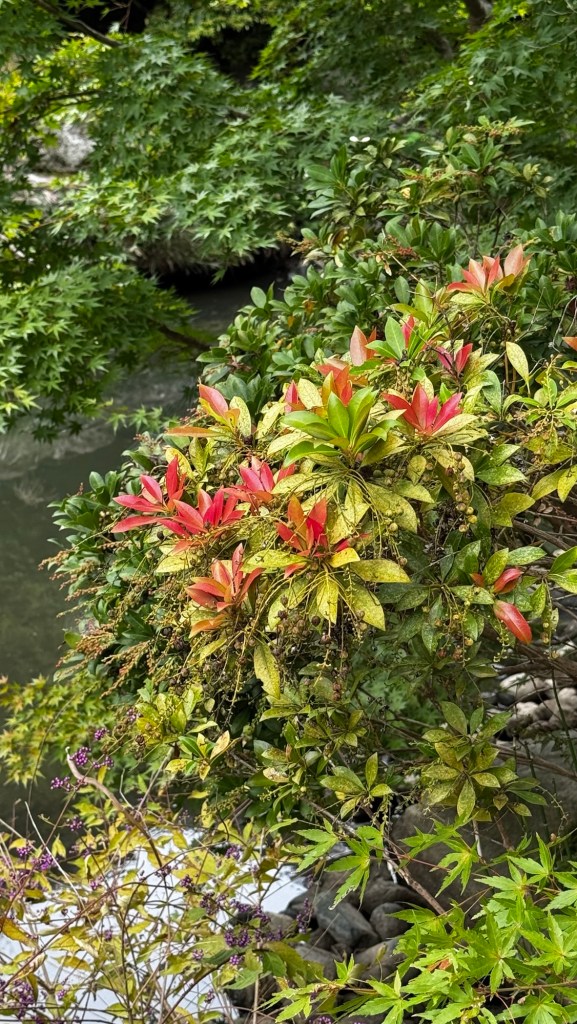
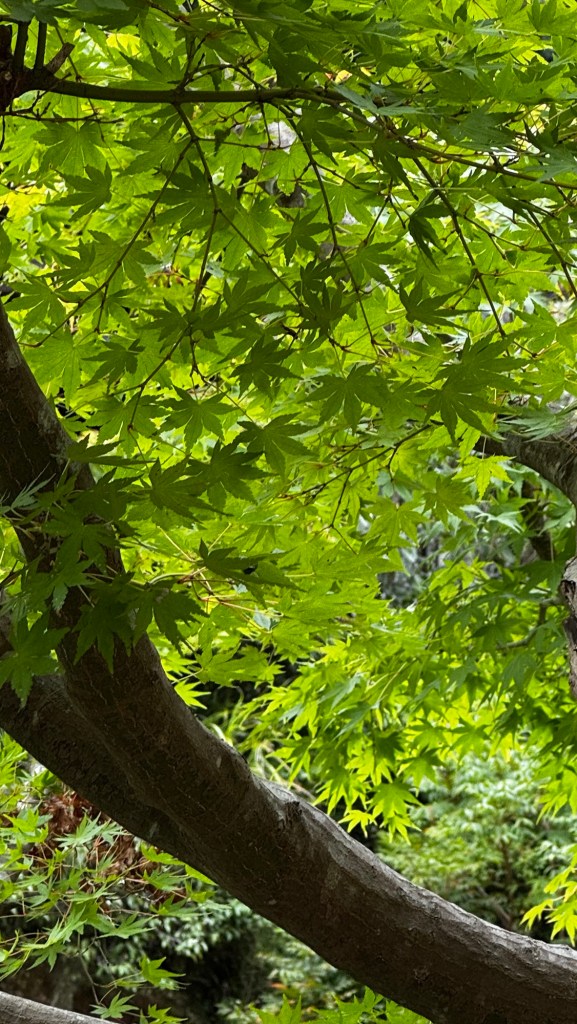
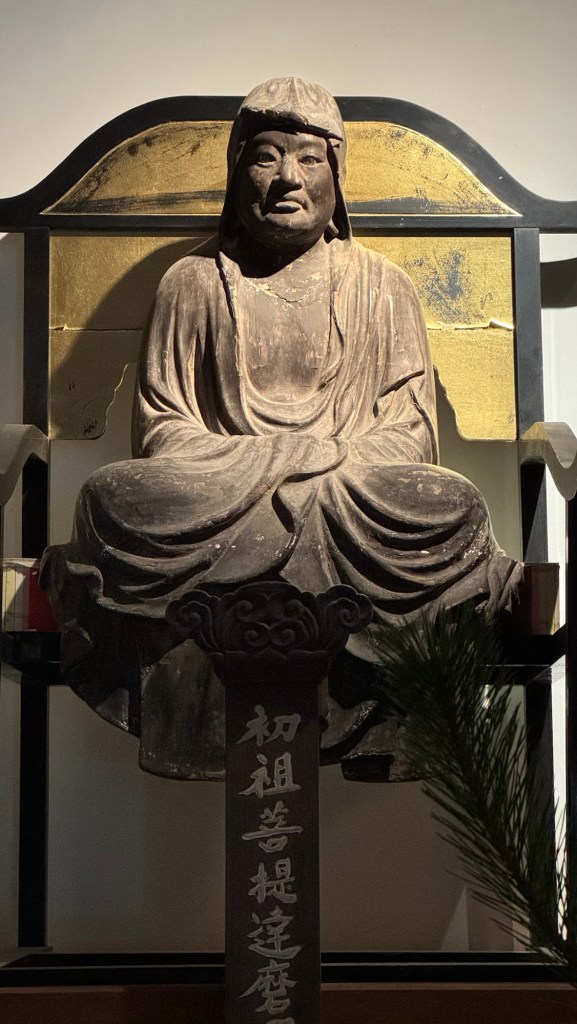
The pictures you will see here are from those three places and somehow it I think I managed to show the peacefulness one could find…




But the reality was different:
You might think so what? Let them have fun, create memories. Yes, I can see that but they are spending money for what ever freaking reason to travel to Japan, go to a place and take pictures and in the end might only know where they where because of the geo tag in the info box.
It is very similar to what Japanese people do or did in Europe, and I hated it then as well.
Somehow this feels personal and offensive, which is in a way ridiculous but it brings me back to the exam presentation I sat in, and one point also was about the way places are being crammed by tourists because they saw it on Instagram and want to take that one picture. During that presentation I swore to myself, that I will try not to do that and avoid these places as much as possible.
But the underlying question remains: How can we travel with respect to and responsibility for the places we want to see? And how do we help those, who are not aware that they are part of the destruction of some of the most wonderful places? Any ideas?
 One Year - Five Continents