Let’s start with the bad news: Japan suffers a tourist invasion and will charge more money from foreigners for specific sightseeing spots.
Also taking pictures of Geisha and Maiko in Kyoto is becoming illegal and will cost you a fine.
I have to say, that I am very sorry, that it has come to this. Especially in my beloved Kyoto.I will not start to rant about manners and respect for a different culture. Those who read this are very aware of it and those who are not aware, will not learn it anymore.
Now the good news. When I lived in Japan 30+ years ago, travelling was more bothersome if you were not able to speak Japanese but these days it has become very easy.
Let’s start with the apps I recommend to use. I can only speak as an IPhone user and do not know whether these are also available for other systems.
Suica Card
This is the one you will want to have ready to go before you even touch down on Japanese ground. It is a prepaid card that you download into your wallet, with which you can pay train and bus tickets as well as your purchases at convenient stores or other places like restaurants. You can put 20.000 Yen on it as a maximum but that can get you quite far. Just be aware: the more rural the areas you are going to, the more cash you want to carry with you.

Talking of cash: best place to get it is at a seven eleven store. If you decline conversion into your own currency then it is normally for free and you only pay what your bank wants from you.

I cannot often enough say, that c24 bank is perfect for travelling, as it does not charge me any extra for paying in foreign currency. If you are living in Germany, check them out.
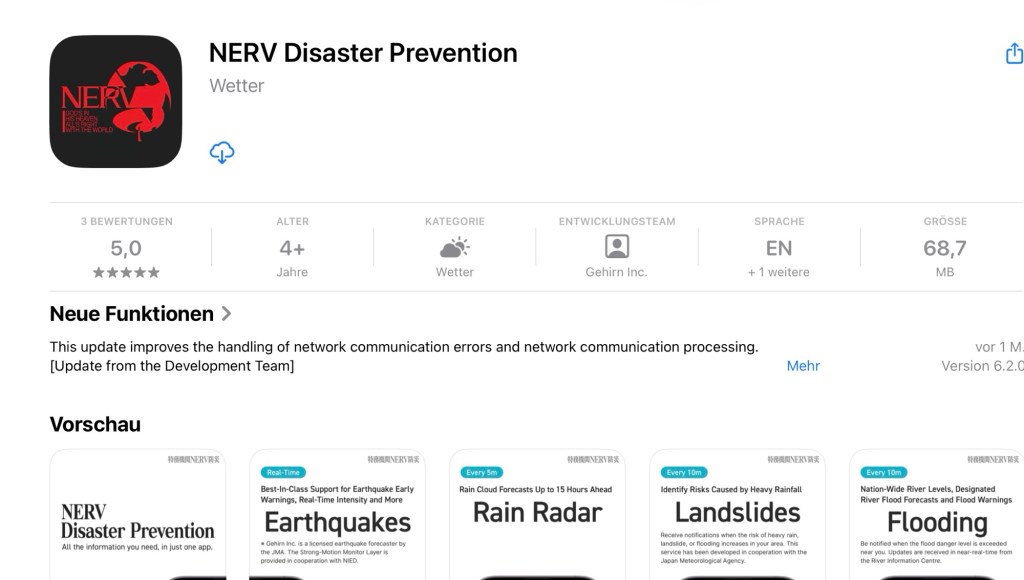
NERV
Japan is used to be the play ball of nature. Earthquakes, tsunamis, heavy rains, taifuns you name it. It is important to be aware of what is going on, especially when you do not speak Japanese.The app NERV is especially important if you are in areas that can be hit by a tsunami. It will warn you immediately, no matter whether it is on silent or not. But it also gives you weather forecasts and a rain monitor which makes it really valuable.
Public Transport
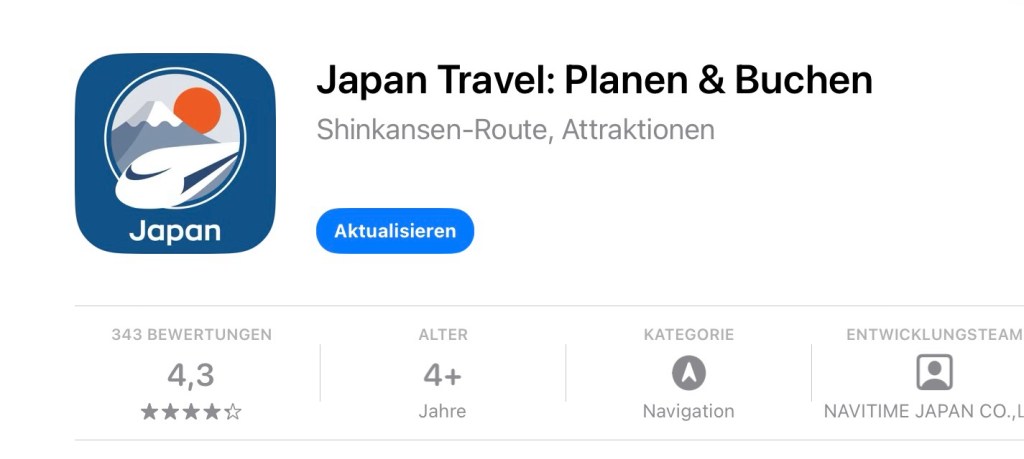
The other one I have used quite frequently is Japan travel&buchen. I did not book anything but use it for planning trips by train. You can sign up for the paid version if you want to get all the extra info but for just looking up trains the free version is absolutely sufficient.
When planning you can choose whether you want to include the more expensive Shinkansen trains or not. I normally avoid them if possible and prefer to spend a bit more time on the train and watch the changing landscape.
If you are not staying for long in Japan, the Japan rail pass might make still sense, depending on where you want to go but it just got very expensive and could become a reason to put more places in your itinerary than you could possibly really enjoy, just because you think it is a MUST.
I only can warn you not to do that. Try less famous places but enjoy them thoroughly. This is not the place to cover all options, but you will find tons of recommendations online. Let’s put it this way, if you got the bug, you will be back and you do not really want to do the Japanese “Europe -in-one-week-thing”, right?
Japan’s Bus System
A money saving option for long distances could also be the night bus. It saves you a night in a hotel or minshuku and is cheaper than the Shinkansen. Most people are impressed by the train system in Japan but the busses are evenly impressive. One day I ended up in a place where even the vending machine didn’t work. Fore lone and as remote as it can be but there was a bus stop, with times and the bus actually showed up, on time!

For city busses I normally use google maps and it has been accurate every single time. Longer distances can be booked here.
And last but not least, booking hotels and other accommodation.
There are multiple apps you can use and sometimes the same hotel is cheaper in a different app.
I mainly used booking.com, trip and rakuten travel. With normal hotels it is mostly ok. But as soon as you want to stay at a minshuku (the Japanese version of B&B) or an onsen, ryokan etc., it becomes more difficult because they very often do not take bookings via email, you have to call them. If you do not speak Japanese and you want to make a booking you can always ask at a tourist information or the place you are staying at. If you speak Japanese having no access to a phone number that works in Japan you just have to do the same.
I wanted to be clever and tried a provider that supposedly enables you to make phone calls in Japan, but it did not work.
What actually worked perfectly was the data plan I found. If your phone can support an eSIM, the place to go to is Airalo basically for any country where your data plan from home costs you an arm and a leg.

If you use the code, you get your first eSIM a little cheaper STEPHA35497.
I am sure there is more to cover but I think these tips give you a head start.
 One Year - Five Continents