At the end of the last millennium I got myself a backpack. At the time it was state of the art, as I was able to adjust it to my upper body length. Backpacks specifically made for women were still something of the distant future.
This backpack survived multiple (shopping) trips to Japan and moving houses quite often. It was sturdy, spacious and never failed me. Except when I started long distance hiking. Having a lot of space in your backpack is great if you are not obliged to carry it across a mountain range or through parts of Spain. Hop on a bus, train or plane to travel is easy to do but as soon as you are on foot all the extra „leg room“ in the pack that tempts you to take that one extra thing becomes bothersome and will hurt you eventually.
Possible side effects are major hip pains, your back hurts, your shoulders are sore, plantar fasciitis and if you are really unlucky also major problems with your knees and tons of blisters.
Professional long distance hikers basically say that your main equipment, „the big three“ (backpack, tent, sleeping system), should not weigh more than 3kg. But most of the backpacks already weigh 2kg and more.
So, what to do?
The easiest solution ist to only go on hikes where you do not need to take a tent and a sleeping system. So for example the Camino Frances, Camino Portuges or the Henro in Japan. All hikes that are absolutely possible without carrying your house and your bedroom with you, as you hike from one hostel or other accommodation to another. Still there are huge differences in size, weight and comfort.
If you decide to skip the camping part, I personally prefer Deuter backpacks as they are incredibly comfortable to carry and you do not need the extra big one. Something around 35+10 liters is more than enough. So the main companies I tried out before I ended up with my all time favourite were Jack Wolfskin, Deuter (multiple versions) and Osprey. The pictures are recent models, which I did not carry but it gives you an impression.
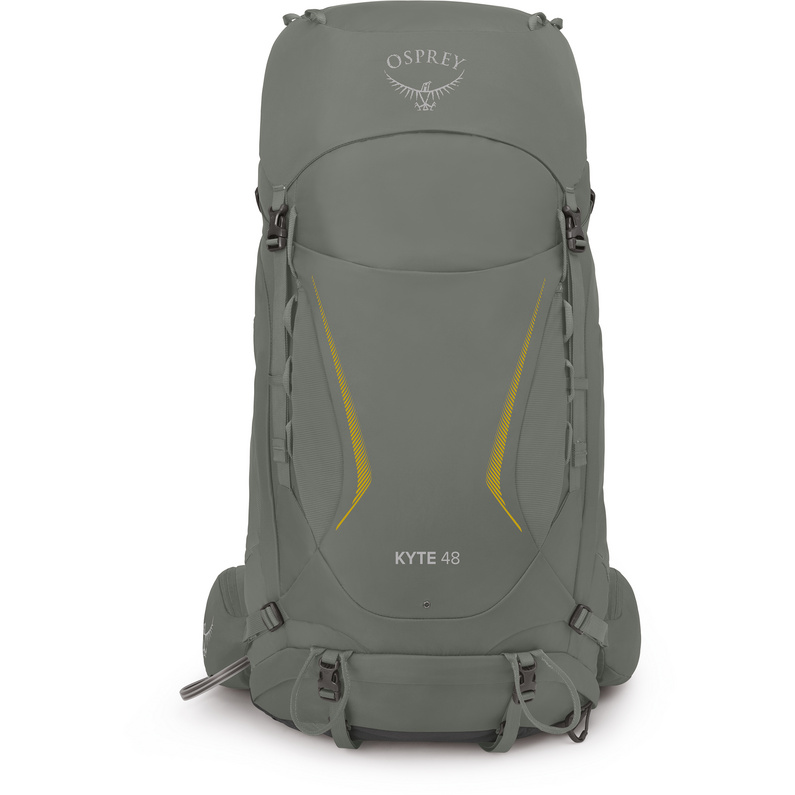

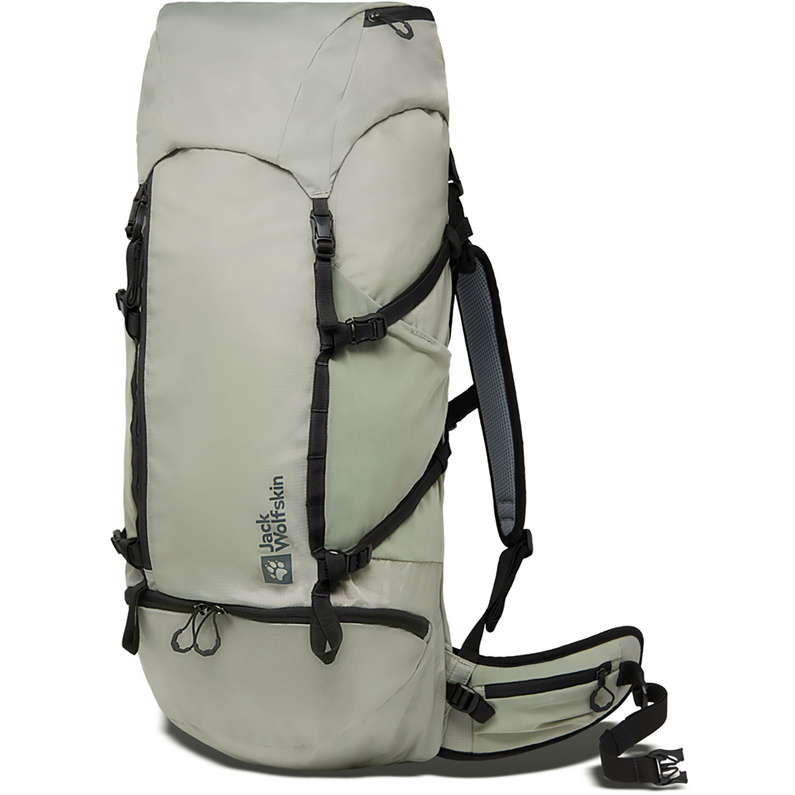
The most important feature with backpacks that are not ultra lite is the adjustable length for your back. The rest really depends on your personal liking.
The big question is how to choose. There are basically three options:
No. 1 Find an outdoor supplier where you live and try on a few of them but be aware that carrying them only for a few moments might not show the downsides. However, with companies like Globetrotter you will get good advice.
No. 2 Rent or borrow one for a shorter trip (have a look here) and then decide.
No. 3 Order two or three on the internet and keep the one you like best. (yes, I know, not very sustainable…)
Backpacks do not come cheap. Good quality has a price. Before my love affair with Gossamer Gear I never bought one for the original price. Sales and websites that compare prices are really helpful and I normally do not mind to buy one from last season if the core features are more or less the same. I would always recommend to buy quality gear because after a few hikes you might realise it is not exactly the thing that fits you or your needs and then you always have the chance to sell it for a good price on Kleinanzeigen and use the money towards your new gear. That worked very well for me. I even got my 1993 backpack sold for 100.- in 2022.
And now something completely different: the mind blowing world of ultra lite
If you start looking into gear that sheds more than half the weight of a normal backpack, your mind will be blown away with words like „ALUULA Graflyte™ material“ or „Recycled Robic nylon“. I have no clue what it is but the result is a backpack that has a 60l capacity and weighs 946g instead of an average of 2kg. Obviously that comes at the cost of some features and I needed a while to get used to the missing air flow system that Deuter and Osprey offer, less straps to adjust the backpack while hiking and last but not least adjusting the pack to the length of my back. But I am very likely not going back to one of them because having a lightweight backpack makes a huge difference. And brings the core weight of my gear down to the three kg recommended.
Unfortunately half the weight means double the price (more or less) and at the moment my preferred backpack, the Mariposa 60 costs around 350.-
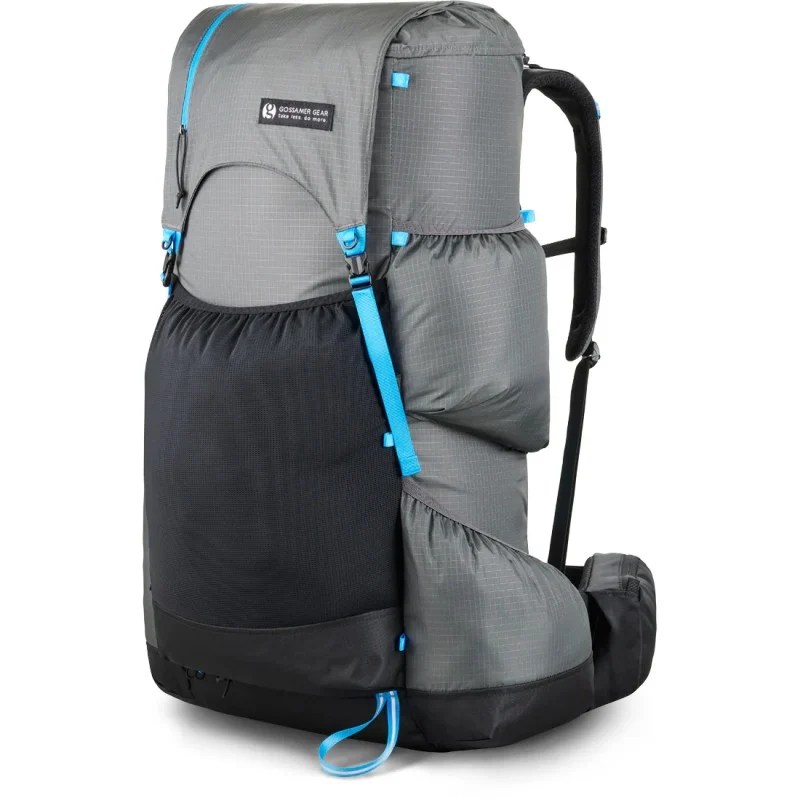
For me personally it‘s worth the money but again, you need to find the one that you fall in love with and that suits your body and your hiking style.
HIKE YOUR OWN HIKE
 One Year - Five Continents